

Gut Health - The GI Effects™ test :
a closer look at what's really going on in your gut

GI Effects : a detailed map of what's really going on in your gut
If you've dealt with bloating, unpredictable digestion, or gut symptoms that flare without an obvious reason, and standard tests haven't given you answers - the GI Effects Comprehensive Profile by Genova Diagnostics goes considerably deeper.
It's a stool test that looks at five distinct areas of gut function simultaneously:
Digestion
Inflammation
Microbial balance
Metabolic byproducts
Infection
Rather than a single number, it produces a map of where support is most needed.

What does the GI Effects™ test measure?
Bacterial balance - including overgrowths and beneficial species that may be too low
Pathogens, parasites and opportunistic organisms
Yeast and fungal markers, including Candida
Digestive function markers - elastase (pancreatic enzyme output) and fat absorption
Gut inflammation markers, including calprotectin and secretory IgA (immune function)
Markers associated with intestinal permeability ("leaky gut")
Who can gut health testing help support ?

IBS or IBS-type symptomsPersistent bloatingUnpredictable bowel habitsSymptoms that started after a stomach bug or antibioticsSkin issues linked to gut healthFatigue with digestive symptoms
IBS or IBS-type symptoms
Persistent bloating
Unpredictable bowel habits
Skin issues linked to gut health
Fatigue with digestive symptoms
Symptoms that started after a stomach bug or antibiotics
The 5 areas the test looks at
The report opens with five scored domains, each rated from 0 (no support needed) to 10 (high need).
This immediately shows where the gut picture is most disrupted and helps prioritise what to address first.
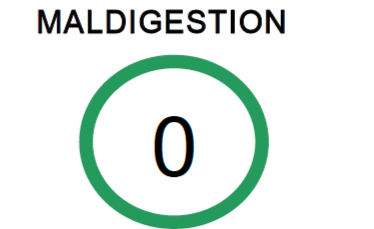
GI-Effects™ sample report extract
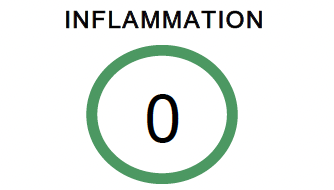
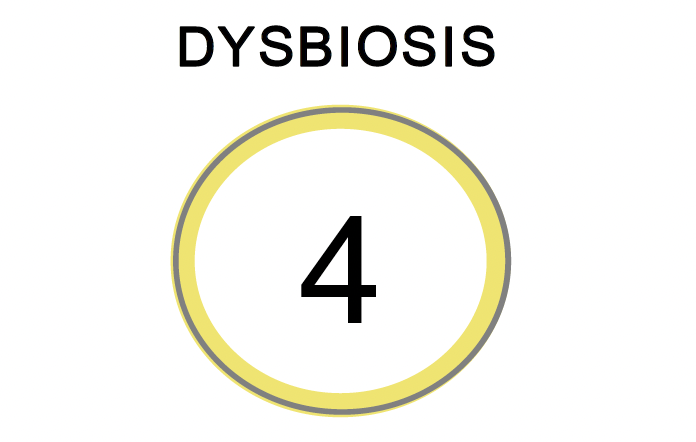
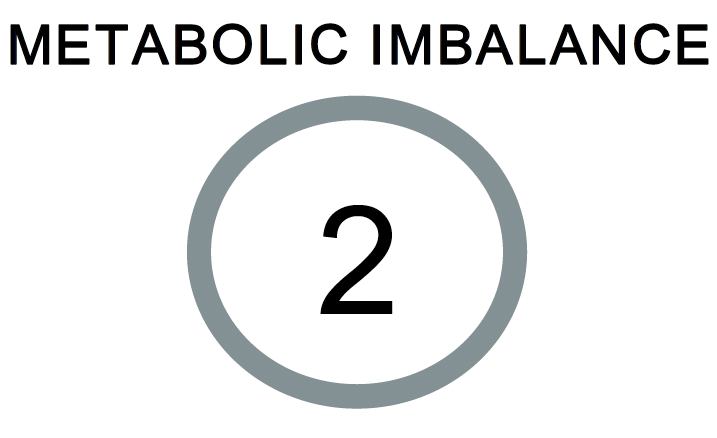
In this example, digestion and inflammation are both functioning well, but there's a significant infectious burden (score 7) and moderate microbiome imbalance. Knowing this shapes everything: we'd approach this very differently to someone with the same symptoms but a high inflammation score and a zero infection score.
What the GI Effects results might suggest - and what we might do
Behind the scores sits a full set of individual markers.
Here's what this example profile reveals across each domain, and the direction it points the plan:
Digestion & Absorption
Score 0 - no support needed
Pancreatic enzyme output and fat absorption are both healthy. Digestion isn't contributing to symptoms here - which means we wouldn't start with digestive enzyme support or elimination diets, and can focus energy elsewhere.
Inflammation & Gut Immunity.
Score 0 - no support needed
Calprotectin: a marker of gut wall inflammation, and one of the most clinically important on the test.
It is well within range. This strongly suggests a functional picture rather than active inflammatory disease, and rules out the need for aggressive anti-inflammatory intervention. Secretory IgA (the gut's front-line immune protein) is also healthy, which is reassuring context when looking at the infection findings below.
Gut Metabolites
Score 2 - optional support
Short-chain fatty acid, including butyrate, the primary fuel for gut lining cells, are within healthy range. No urgent metabolic intervention indicated, though supporting fibre diversity to maintain these levels is part of the longer-term picture.
Microbiome Balance (Dysbiosis)
Score 4 - moderate support needed
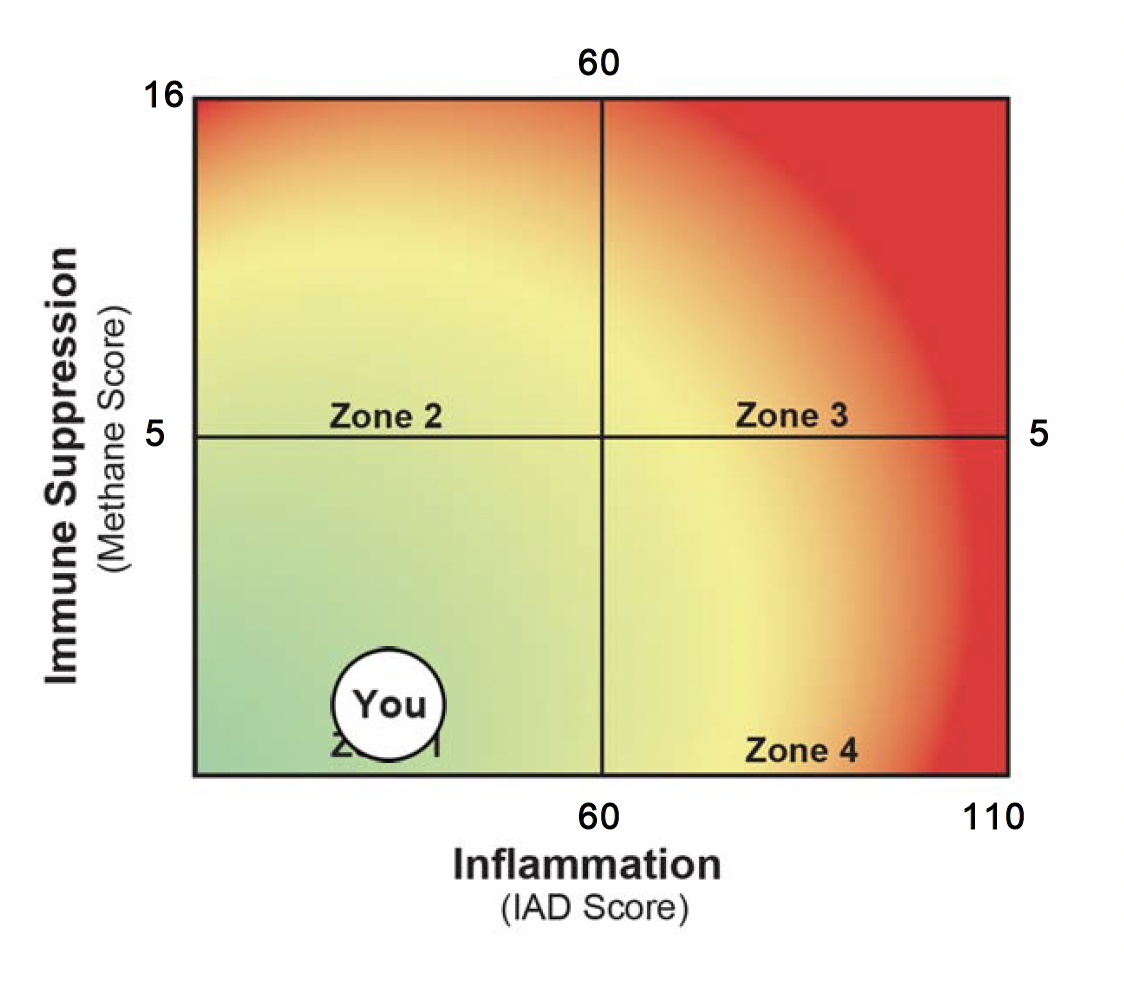
Overall bacterial abundance is within the healthy range, but the pattern of bacteria shows a Zone 2 dysbiosis - associated with reduced gut barrier integrity and higher susceptibility to opportunistic infections. Several beneficial species are lower than ideal. This context helps explain why the infection score is high: the microbial environment isn't providing adequate protection against unwanted organisms taking hold.
This suggests: once the infectious picture is addressed, targeted support to restore specific bacterial species and strengthen the gut barrier.
Infection & Pathogens
Score 7 - high need for support
This is the most significant finding in this profile, 3 separate organisms present simultaneously:
an opportunistic bacterium,
a yeast species,
protozoan parasite.
The report also includes sensitivity testing showing which agents are most likely to be effective against each organism specifically. This means any protocol can be precisely targeted rather than a generic approach.
This suggests: a structured, sequenced approach addressing the infectious burden first, informed by the sensitivity data, before moving to microbiome restoration. Without the test, we'd have no way of knowing all three were present, or which interventions would actually work.
The same symptoms - bloating, fatigue, unpredictable digestion, could have a score of 7 for inflammation in one person and a score of 7 for infection in another.
The GI Effects tells you which.
That distinction changes everything about how your plan is built.
My scientific perspective
The results from the GI Effects test needs careful interpretation. A single marker in isolation rarely tells the whole story. What I find most clinically useful is reading the domains together: in this example, the combination of a high infection score, Zone 2 dysbiosis and normal inflammation creates a coherent picture that points clearly in one direction. The sensitivity testing data is something I particularly value, it brings the same evidence-based rigour to nutritional interventions that we'd expect when choosing a pharmaceutical.
Further reading: more on how I think about functional testing and when it's worth it on the blog. Read the post →